Photographing for a change
As I start to shoot more photography, I finally get to see what it’s like on the other side of the report.
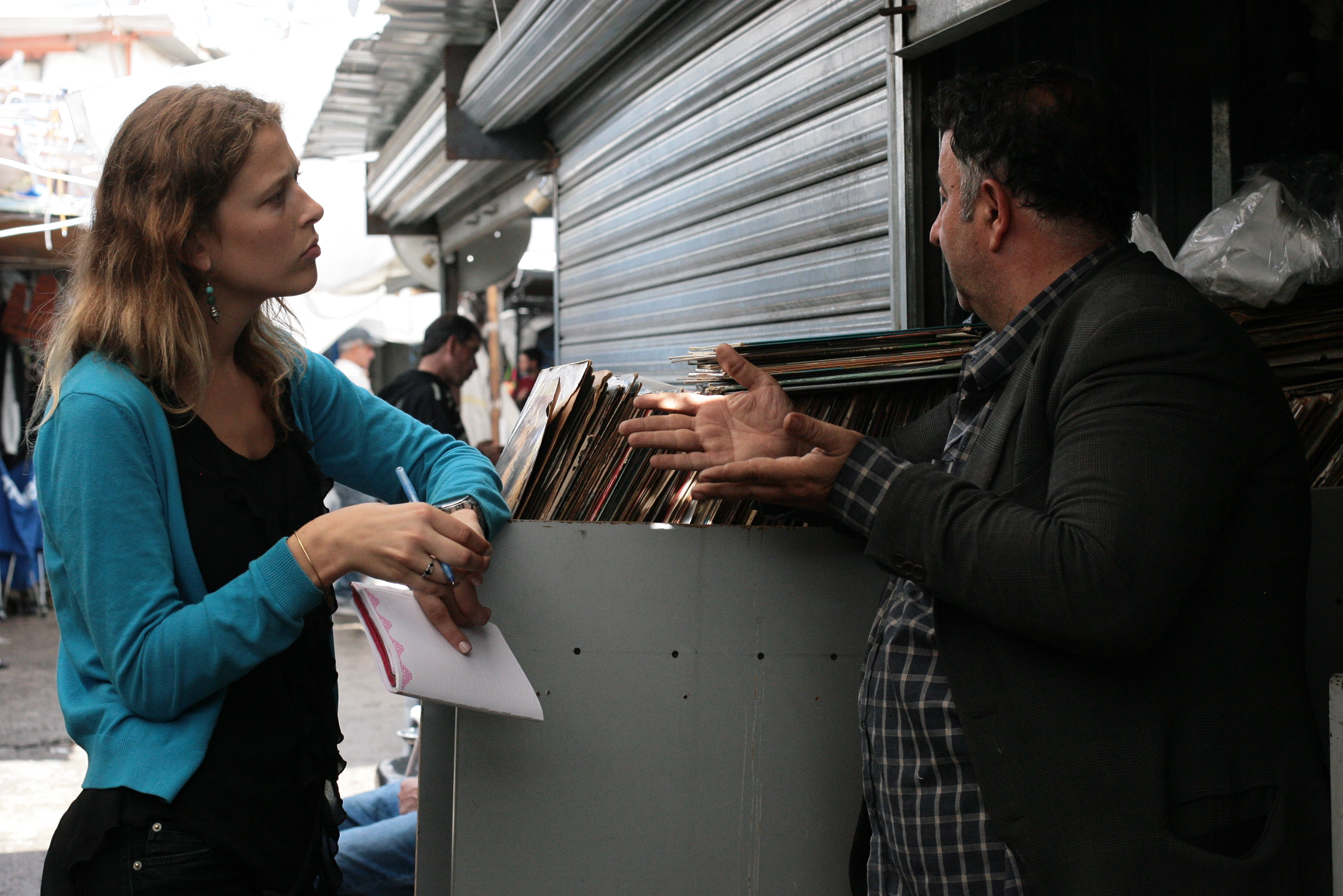
My colleague, Kaylyn Hlavaty, reporting a story. (http://expatriateinlebanon.com)
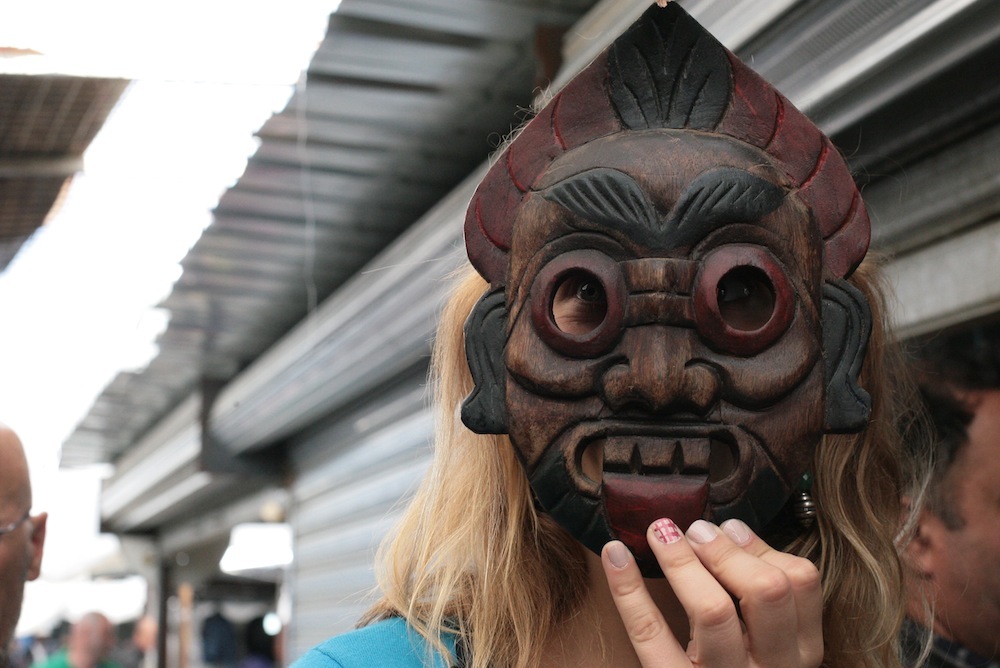
Happy Halloween from Beirut


Pigeon Rocks and English class in Beirut
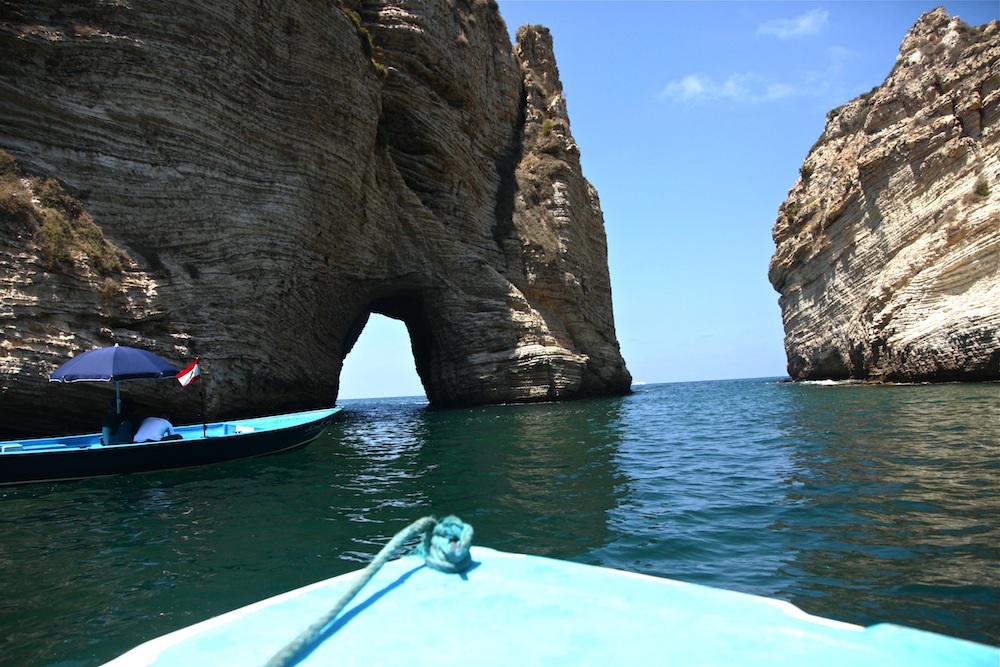
I hadn’t taught English since 2010 when I stumbled across the work that the Migrant Workers Task Force was doing here in Lebanon. After meeting the great volunteers teaching the classes and running the organization, along with the migrant workers studying with them, I was motivated to join them as an English teacher.
When I wasn’t sure if I would be coming back to Beirut, my students and I went on a trip around the city (our out-of-the-box English class), and got to see one of the most beautiful sights in the area together. “I’ll never forget this day,” Adam, one of my students from Sudan, said. When you look at the photos, you can understand why! The Pigeon Rocks are breathtaking, and naturally formed. The two massive rocks sit off the coast of Raouche – a walk down the Corniche either during the day or at sunset (best!) isn’t complete without grabbing an ice cream and watching the light fade across the stone.


Tamanna in Lebanon grants wishes for all
I usually post a blog after I produce a story to show a more personal side to the article. I didn’t have a chance to do that when I highlighted the work of Tamanna back in June of this year, but I wanted to bring some more attention their way. What they do really lifts the children who are on the receiving end of the organization.
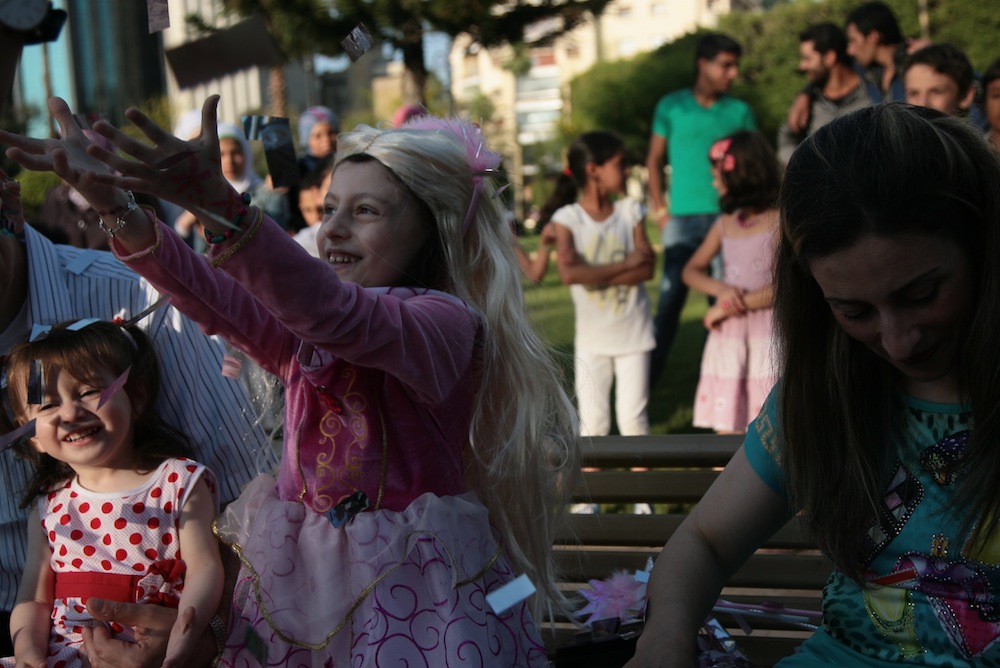
Nanor Eleyjian from Aleppo, Syria, gets her wish to be a princess for a day in Sanayeh Garden.
Tamanna, which means “make a wish” in Arabic, is a non-profit organization that grants wishes to sick and terminally ill children. The organization was founded in 2005 in memory of Diala Fil’s 5-year-old son, Karim Rayess, who was killed in a tragic accident. Fil created the organization less than a year after his death. She saw it as a way to keep her son’s memory alive.
Indeed, it has. Read more…
Earlier this month, the people behind the growing Green Glass Recycling Initiative – Lebanon launched their new line of recycled products at Plan BEY‘s new space next-door to their business, where they will feature different events and exhibitions.


I have done a couple of stories on this project, which was born from a collaboration with the last glass-blowing family left in Lebanon, the Khalifes, and waste management expert, Ziad Abichaker.
 The story begins with war. Lebanon’s only green glass manufacturing plant was bombed and completely destroyed by Israel in the 2006 war here. That factory had previously used up to 50 percent of their raw material from recycled glass materials bought from their recycling network. Without that outlet, beer companies such as Almaza (who use green bottles) were forced to import bottles. Worse, 70 million green and amber bottles were ending up in the landfill every year.
Meanwhile, the Khalife family had problems of their own. Their ancient craft of glassblowing was at risk of being extinguished for good when they were struggling to meet the costs of production. Months would go by where they had no work.
All the while, Abichaker and his team at Cedar Environmental had been accruing a massive surplus of green and amber-colored bottles. Now, with the collaboration between Abichaker and the Khalifes, the discarded bottles are turned into one-of-a-kind pieces of art sold throughout Lebanon’s capital city.
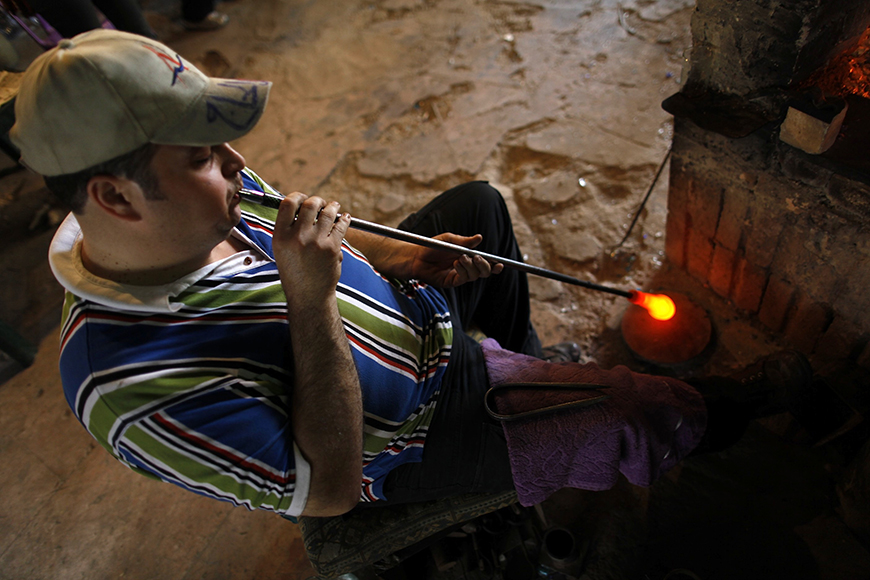
Photo by Omar Alkalouti.
Here is a fun video that explains very simply and thoroughly how the process works.
If you are interested in more about the GGRIL story, you can find my stories about the project on The Christian Science Monitor, Al-Monitor and Agenda Culturel.
I like the new models even better than the last line, which you can find at Plan BEY mid-July. You can also find GGRIL products at any of the following locations:
-Tawlet Restaurant, Mar Mikhael Achrafieh 01-448129
-Dar Bistro, Wardieh Hamra 01-373348
-Platform 39, Fassouh Achrafieh 03-719381
-The Bayrut Express, Sassine Square Achrafieh 03-239756
-The AUB Museum Shop, Bliss Hamra 01-340549
-Vide Posh, Main Badaro Street Badaro 03-228225
-Healthy Steps, Adonis 09-217198 / 03-746055
The lamps and various glass pieces, from carafes to vases, are affordable and very chic. And it’s a big bonus that it is a great way to help preserve some of Lebanon’s cultural heritage while helping the environment.
Voices of Hostages
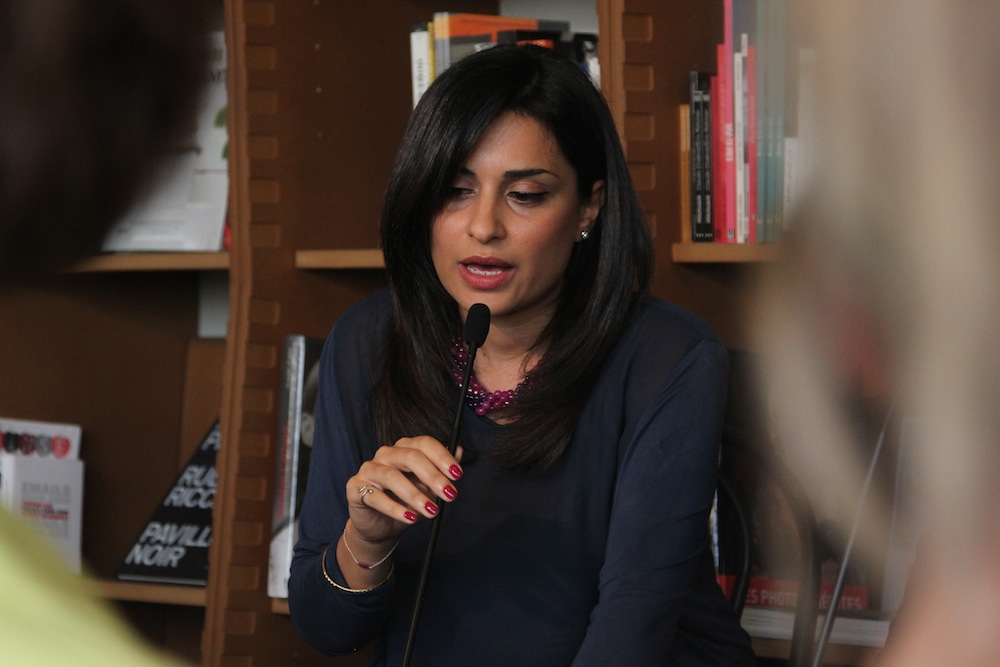
Susan Dabbous.
Tonight there was an event at Dawawine, a relatively new cultural space in Beirut, where two journalists, Syrian-Italian Susan Dabbous and Swedish Magnus Falkehed, spoke about their respective experiences being kidnapped in Syria. NOW Lebanon reporter Alex Rowell moderated the discussion.
The evening was organized by the Samir Kassir Foundation, hosted by the SK Eyes Center for Media and Cultural Freedom and supported by the European Union in Lebanon.
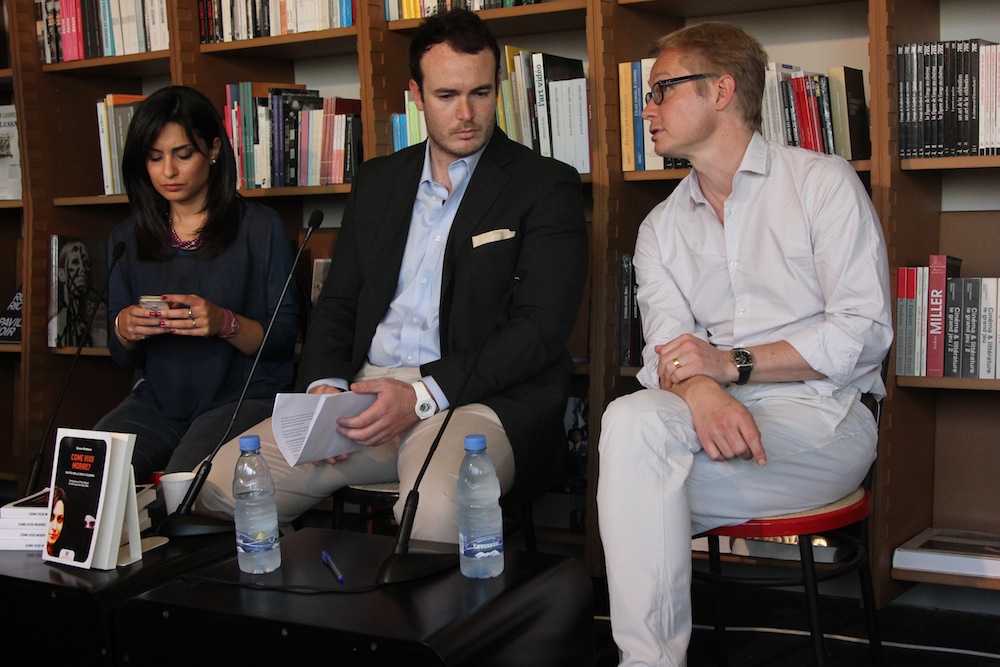
Getting ready to start the discussion.
Both journalists had some really interesting things to say, from two different view points. Dabbous doesn’t consider herself a war journalist, though she had been covering the Syrian conflict since June 2011. She was kidnapped in northern Syria and held for 11 days. Falkehed was held longer, a month and a half, and in much more difficult conditions.
It was compelling to hear them talk about their captors and how they mentally stayed sane and focused. Dabbous talked about managing three ways of thinking: positive, negative and rational. Through every situation she faced, from when she and her team first began to be interrogated to when she was being released, she moved between these three, trying her best to invoke whichever one she felt would best serve her in that moment. Falkehed, who was kidnapped with Swedish photographer Niclas Hammarstrom, talked about how his partnership and their decidedness to be completely open with each other is something that really helped him. They supported each other, even through a failed escape attempt.
They talked about their emotional recovery. Moving on. Their feelings, after their abductions, toward covering Syria (both will not be returning any time soon). But what struck me most personally was when both Dabbous and Falkehed talked about the pain their loved ones endured, and how if they had known that this was going to happen to them beforehand, they wouldn’t have gone. The way Falkehed talked about his two little girls, and Dabbous talked about the love she has in her life, it really made me think of my own family and friends, and the risks so many journalists take.

A person is so lucky if they have all this love in their lives, and journalists risk tremendously when they go into dangerous places to report. I think of the all of the missing journalists in Syria who have not been lucky enough to be found and released back to their families and friends. The four American journalists missing there now: James Foley, Austin Tice and two others whose familys’ wish not to be public.
What is it worth?
For Dabbous and Falkehed, the cost of what happened to them was too high. For their families and for themselves.
I think of Marie Colvin too, and her attitude toward her own life and covering stories in some of the world’s most dangerous places – the stories, and the people, always came first. In the fantastic book written by Paul Conroy, “Under the Wire – Marie Colvin’s Last Assignment,” who was with Colvin and Remy Ochlik in Baba Amr on their last assignment together when they were killed. Colvin had to go back, even after she had the opportunity to get out safely. I’m reading a biography of Martha Gellhorn right now (who, by the way, was someone Colvin was very inspired by), one of the first female war correspondents, and the stories came first for her, too. Wars need people to document them, or the world will forget out them. And even with coverage, we still see there isn’t enough being done in so many places.
To be sure, there is no right answer.
Funk, English Class and Hamra
Sometimes photos can a better job than words. I don’t know if as a writer I’m supposed to say that, but hey, it’s true. Or maybe I’m just being lazy…
Regardless, some days there just isn’t enough time to do all of the interesting things there are to do in this city, especially now that it’s summer. From DJ Format at Yukunkun Club to teaching English to migrant workers to the Hamra Festival and all the lovely sights within walking distance can see when one walks around that part of Beirut – it all makes for a beautiful weekend!
You can find more on the Beirut Groove Collective’s event at Yukunkun Club with DJ Format that I wrote for Agenda Culturel here.


Jitka Klett Fashion in Downtown Beirut
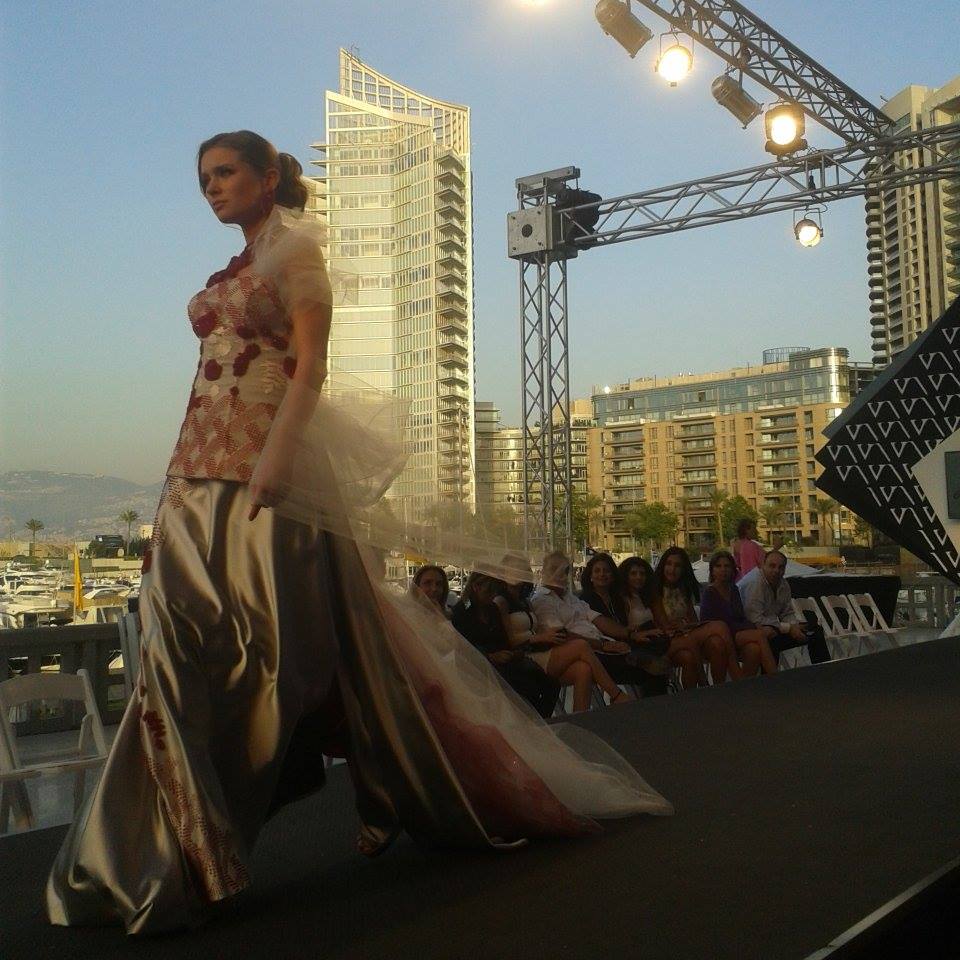
Yesterday evening, I went to my first fashion show in Lebanon. At St. George Marina, fashion designer Jitka Klett‘s work was on display, and it was really a lovely event. I decided to leave my camera at home this time, only taking some photos with my cell phone, which are below. The light was so incredible, even my terrible Samsung phone camera captured some of the beauty. Though this isn’t usually my scene, the fun dresses coupled with the beautiful setting, weather and free drinks made it really nice. Plus, we ducked out as it was started to get crowded after the show. Apparently it’s the cocktail hour, not the dresses, that people come out for.


Secret Walls X Beirut
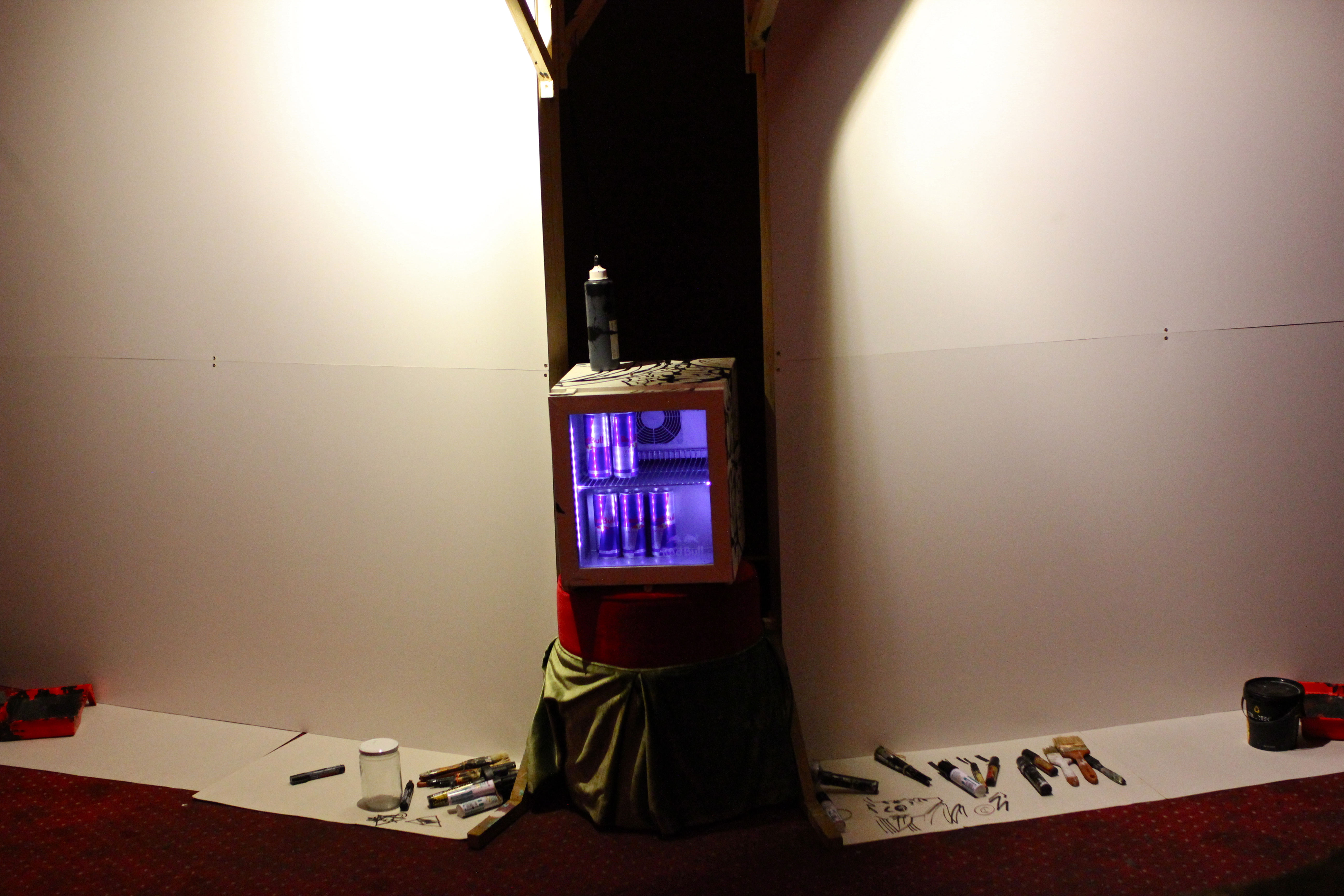
Meet Secret Walls X Beirut. It’s a “fight club of the arts,” with a live art battle that happens over a 90-minute round. Secret Walls was born in a London pub, and has since spread across the globe. Chady Abousleiman aka Chad the Mad brought it to Beirut last year, and it is rightly flourishing in the city.
Essentially, two artists, without making prior sketches, freestyle a piece of art using only black markers and acrylic paint. 90 minutes may seem like a long time, but it goes by so quickly, and it’s truly amazing to see art come to life as you sit in a bar sipping on a drink. It really made me appreciate the talent that it takes to do something like that.
I wrote more about the event and the people who put it together here, on Agenda Culturel. You can follow the ongoing tournament on the Facebook page as well. Enjoy the photos!


Yasmine Hamdan At Beirut’s Metropolis

Yesterday there was a special screening of Jim Jarmusch’s “Only Lovers Left Alive” at the Metropolis Art-Cinema. Lebanese singer-songwriter Yasmine Hamdan was holding court, giving interviews and signing copies of her new album, Ya Nass, which features music on it from the movie. She gives an electric performance at nearly the end of the film.
Hamdan is well-known not only throughout the Middle East but the world, and got her start with the electronic indie band Soapkills.
What was cool besides her being there and the movie itself, was the fact that an evening film served up with free wine and ice cream was only 8,000 LL (roughly $5.30). When everything seems to cost so much in this city nowadays, it’s important to remember how many cheap and free things there are to do nearly every night in Beirut.


Only Lovers Left Alive was fantastic (Tilda Swinton is brilliant), a must-see for any music enthusiast, featuring some serious guitar porn and a great soundtrack. Hamdan, as well as her previous work with Soapkills, is a must-listen as well.
You can check some of Hamdan’s music out on her soundcloud here, and on my favorite place to see/listen to musicians, her first Tiny Desk Concert. Beautiful!
 look up